Harvey and Michael Camire Chase Route 66 Horizons in a Blue 1961 Chevrolet Impala Convertible
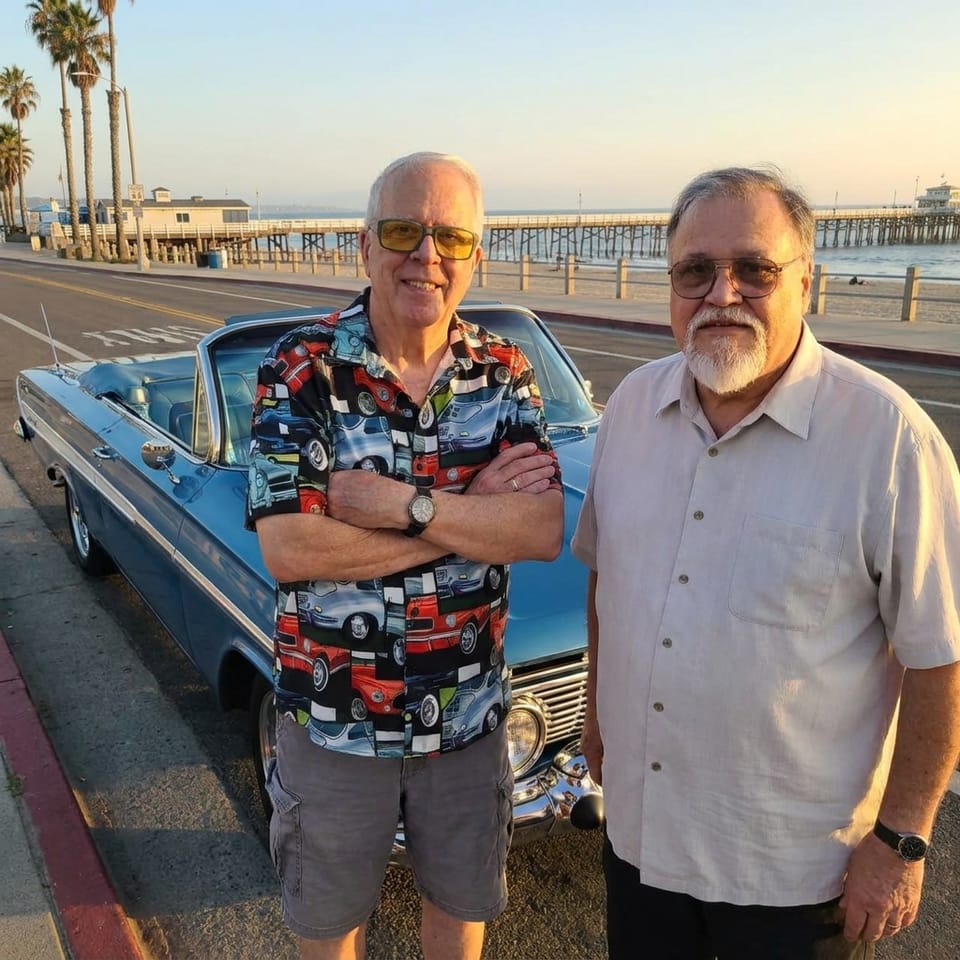
Harvey and Michael Camire didn’t just take a drive—they took a promise and made it real, mile after mile, with the sky above them and Harvey’s blue 1961 Chevrolet Impala convertible carrying the weight of a dream that finally got its turn.
This memory is brought to you by Oh Sherri Irish Pub — Testing the partner system
This story is brought to you by
Oh Sherri Irish Pub
Testing the partner system
Visit Oh Sherri Irish Pub →The 1961 Blue Chevrolet Impala Convertible is a highly coveted classic American automobile that represents the dawn of the third-generation Impala. Featuring the iconic "Jet Age" styling, this model year shifted away from the massive rear tail fins of the late 1950s toward a cleaner, more streamlined body profile with a distinctive crossed-flag emblem and triple-unit taillights. Factory Blue Color Variations Chevrolet offered several shades of blue for the 1961 model year to complement its factory power-operated soft tops: Jewel Blue Metallic: A vibrant, mid-tone metallic blue that remains one of the most sought-after colors for collectors.Midnight Blue / Twilight Blue: A deep, sophisticated dark blue that gives the car a premium, regal appearance. Seafoam / Robin Egg Blue: A lighter, pastel-leaning shade popular for standard cruisers. Key Specifications & Mechanical Features Engine Choices: While a base 235-cubic-inch "Blue Flame" inline-six was available, most convertibles were equipped with V8 power plants. Options ranged from the reliable 283 cu in V8 up to the legendary high-performance 348 cu in V8 and the mid-year introduction of the famous 409 cu in V8. Transmissions: Buyers typically paired these engines with a 2-speed Powerglide automatic or a 3-speed/4-speed manual floor shift. Interior Styling: The convertible boasted a spacious cabin featuring a distinctive tri-tone blue vinyl and cloth weave upholstery matching the exterior paint. Market Value and Collectability The 1961 Impala convertible is rarer than its hardtop "Bubble Top" counterpart, making it a prime target for auto restorers and the lowrider community. According to the Hagerty Valuation Tool, a standard 1961 Impala in good condition averages around $32,416, but pristine, numbers-matching convertibles or Super Sport (SS) packages regularly command between $70,000 and $120,000+ at elite auctions like Mecum Auctions.
Where the road starts to feel like yours
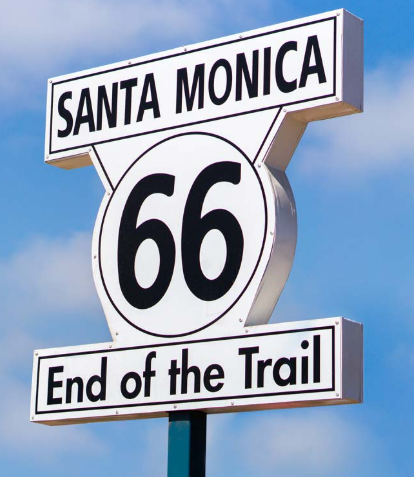
On Route 66, landmarks don’t just show up—they arrive like old stories you’ve heard your whole life, suddenly standing in front of you. For Harvey and Michael Camire, the route reads like a string of postcards: the Santa Monica Pier marking the far edge of “we really did it,” Winslow’s corner where you can’t help but slow down, and the little stretches in between where the world goes quiet enough to hear the engine talk.
And there’s something about that quiet when you’re in a convertible. It isn’t silence—more like space. Space for the wind to cut through the cabin, for the sun to find the tops of your shoulders, for the day to feel close enough to touch. In a blue Impala, that openness feels intentional, like the car was built to turn a long road into a personal scene you can step into.
The particular blue that makes people look twice
Not all “blue” is the same when it’s wrapped around an early-’60s body line. Harvey and Michael Camire know that, because the color isn’t background—it’s part of the mood of the trip. Some blues sparkle with a mid-tone metallic brightness; some deepen into a night-sky shade that makes chrome look sharper; some go soft and airy, like a pastel memory. Whatever shade lives on Harvey’s car, it does what a dream car is supposed to do: it announces itself without needing to shout.
That’s the thing about the 1961 Impala’s shape—it doesn’t rely on the huge fins that came before it. It’s cleaner, more streamlined, still very much “Jet Age,” but less costume and more confidence. Even if you don’t know a thing about cars, you can feel the intention in the lines; and if you do know cars, you notice the little signatures—like the crossed-flags emblem and those triple taillights that make the rear look like it’s leaving a signature in the sunlight.
What the cabin remembers
If the outside of the Impala is what the world sees, the inside is where Route 66 becomes Harvey and Michael Camire’s. There’s a particular kind of comfort in a big early-’60s Chevrolet cabin—spacious in a way modern cars don’t bother to be—and that tri-tone blue upholstery (vinyl and cloth weave) feels like an era you can sit down in. It’s the kind of interior that makes you imagine the first owner smoothing their hand over the seat, proud before they even turned the key.
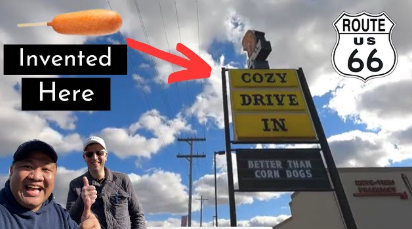
On long stretches—past the Cozy Dog Drive In, out toward Meramec Caverns, into the playful weirdness of the Blue Whale of Catoosa—there’s a rhythm that settles in. A road trip isn’t one moment; it’s a string of them. The kind where you don’t remember every mile, but you remember exactly how it felt when you glanced over and realized you were both grinning for no reason other than: this is happening.
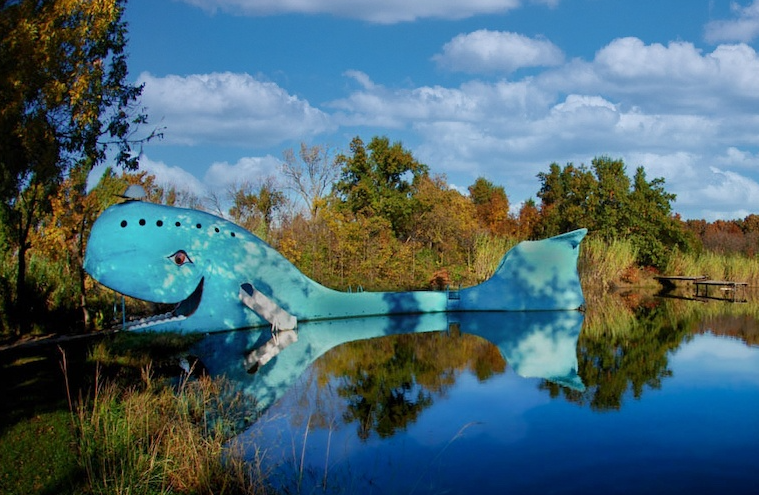
More than a collectible—still a living thing
It’s easy for a car like this to get spoken about in the language of rarity and value—convertibles being harder to find than the “Bubble Top,” pristine examples commanding serious auction numbers—but that isn’t the heart of what Harvey and Michael Camire did. They treated the Impala like what it has always wanted to be: a moving piece of American design, built for distance, built for presence, built to turn gasoline and time into a story you can retell.
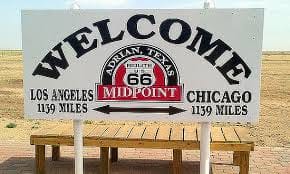
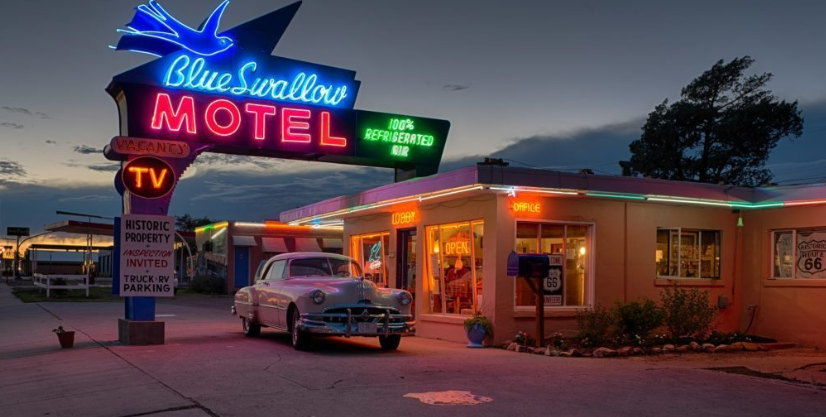
Somewhere near the Midpoint Café, or pulling up to the Blue Swallow Motel,
or rolling by the Wigwam Motel
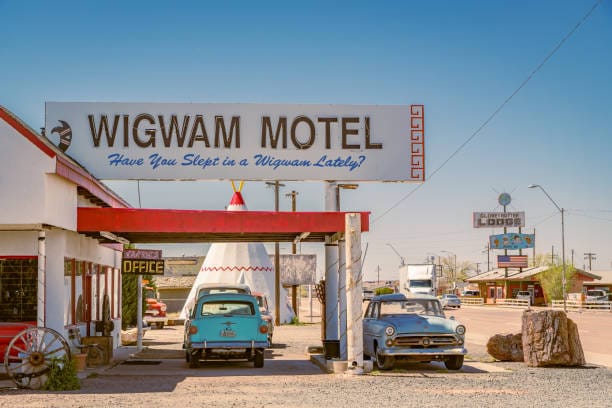
with the sense that the whole country once agreed this was fun, the trip likely turned from “a plan” into “a memory.” The car didn’t just get them there—it gave the journey a soundtrack, a posture, a way of arriving that makes the places stick harder in the mind.
What stays after the last mile
When people say “dream car,” it can sound like a poster on a wall. Harvey and Michael Camire turned it into a day-to-day reality—top down, road unfolding, a blue 1961 Chevrolet Impala convertible proving that some dreams aren’t meant to be kept perfect and untouched. Some are meant to be driven until the map starts to feel like a diary.
Photos from the Memory


About the Storyteller
Harvey and Michael Camire
Memory from 1961
Connect with Harvey using the info below:
https://www.facebook.com/silver.fox.9862/