Harvey and Marty’s Virtual Route 66 Ride in a Black 1959 Studebaker Silver Hawk
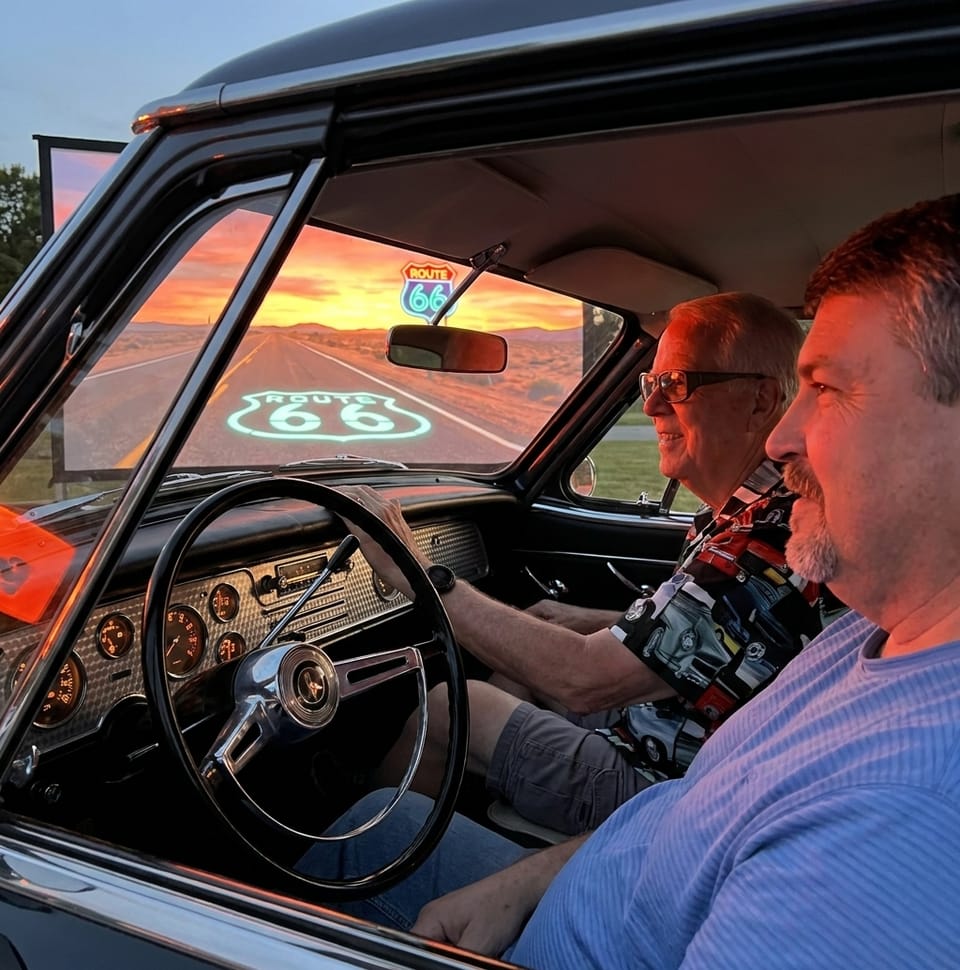
Harvey and Marty didn’t just “look up” Route 66—they slipped into it, the way you sink into a favorite song. In their mind’s eye, the road unspooled from Chicago all the way to the Santa Monica Pier, and the only thing that made sense as a companion for that long, legendary line was Harvey and Marty’s dream car: a black 1959 Studebaker Silver Hawk coupe, glossy as midnight and built for the kind of miles that turn into stories.
This memory is brought to you by Oh Sherri Irish Pub — Testing the partner system

This story is brought to you by
Oh Sherri Irish Pub
Testing the partner system
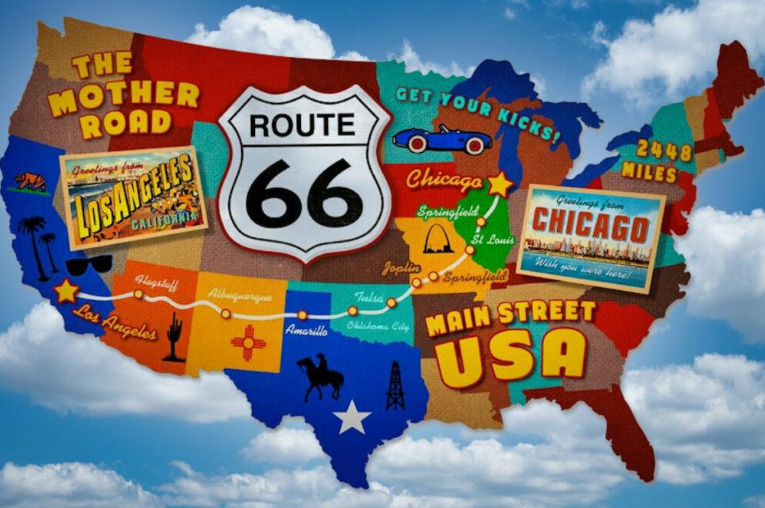
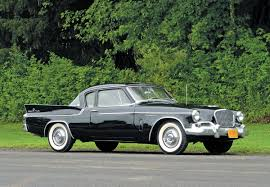
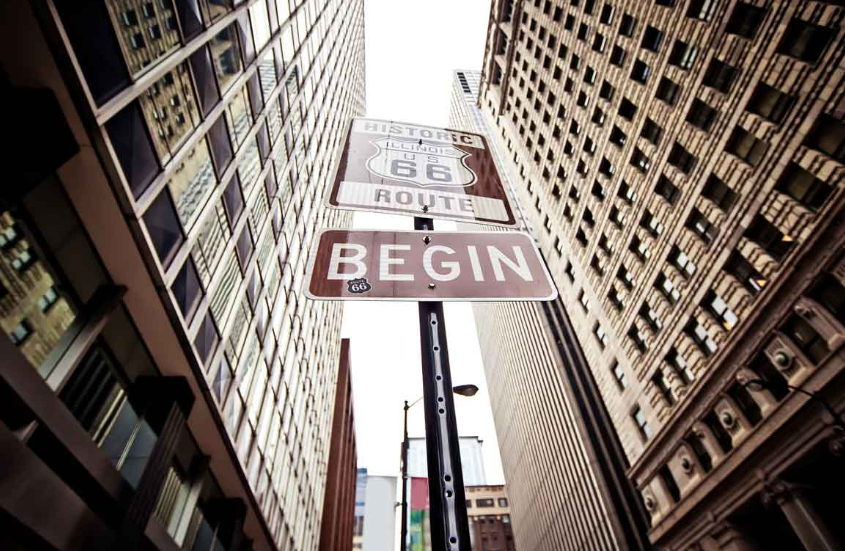
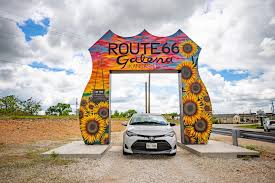
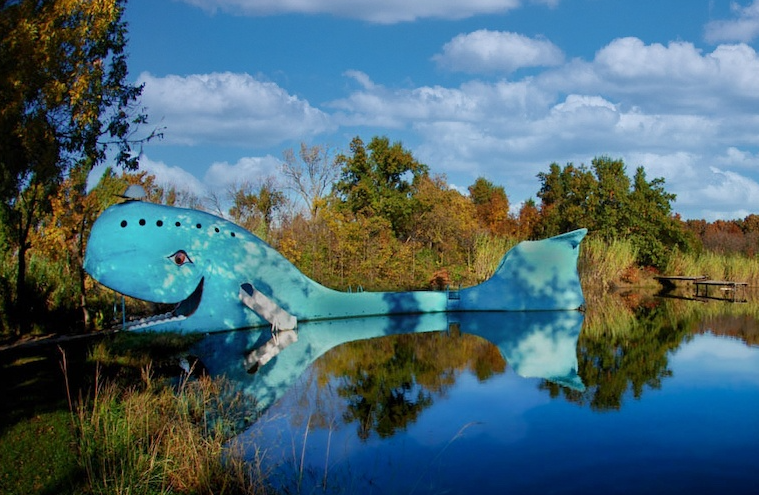
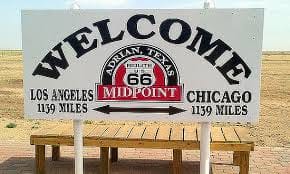
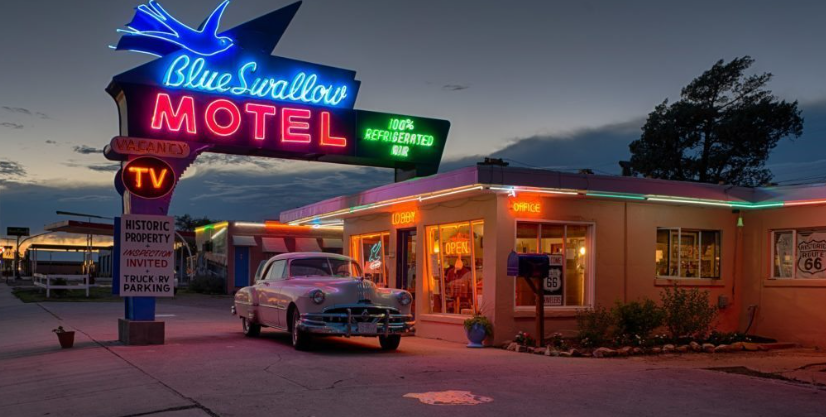
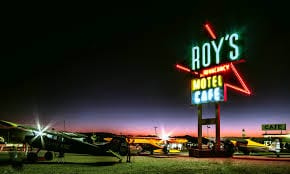
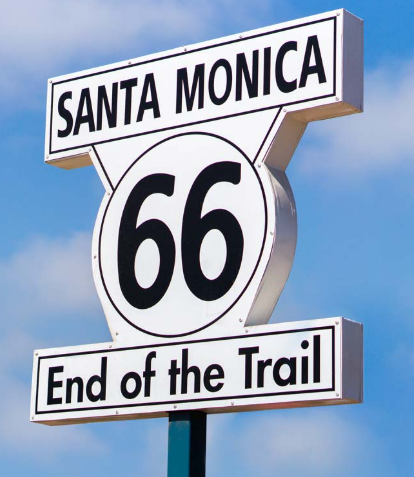
Visit Oh Sherri Irish Pub →"Harvey and Marty Take A Virtual Road Trip On Route 66, in Harvey’s Classic Dream Car a Black 1959 Studebaker Silver Hawk Coupe, known as The Mother Road, spans roughly 2,448 miles (3,940 km) through eight states, beginning in Chicago, Illinois, and ending at the Santa Monica Pier, California. While the road was officially decommissioned in 1985, about 85% of it remains drivable today via historic alignments and state highways. Essential Planning Tips**** Duration: A minimum of 14 days is recommended to see the major highlights without rushing. A leisurely pace can take up to 3 weeks. Timing: Spring (May) and Fall (September to October) offer the best weather and fewer crowds. Summers are extremely hot in desert stretches, and winters can bring road closures in the north. Navigation: Traditional GPS often defaults to interstates. Use specialized resources like the Route 66 Navigation App or the EZ66 Guide for Travelers to stay on the historic path. Centennial Celebration: The year 2026 marks the Route 66 Centennial, featuring special events and tours across all eight states. Top Must-See Stops by State**** Illinois: The \"Begin Route 66\" sign in Chicago and the Cozy Dog Drive In (birthplace of the corn dog) in Springfield. Missouri: The Gateway Arch in St. Louis and the Meramec Caverns, which feature vintage barn advertisements. Kansas: ***The shortest stretch (13 miles), featuring Cars on the Route in Galena. Oklahoma: The Blue Whale of Catoosa and the futuristic Pops 66 soda ranch in Arcadia. Texas: The Cadillac Ranch in Amarillo and the Midpoint Café in Adrian, the mathematical center of the route. New Mexico: The historic Blue Swallow Motel in Tucumcari and the Spanish-influenced plaza in Santa Fe. Arizona: The Wigwam Motel in Holbrook, Standin' on the Corner Park in Winslow, and the gateway to the Grand Canyon in Williams. California: The desolate Roy's Motel & Café in Amboy and the iconic End of the Trail sign at the Santa Monica Pier. ========================================== The 1959 Studebaker Silver Hawk Coupe is a defining example of mid-century American grand touring design, representing the final model year that the car carried the \"Silver Hawk\" name standalone. Introduced during a time of immense financial strain for the Studebaker Corporation, it simplified the brand's sports-car lineup by serving as the sole surviving Hawk model for 1959 after the premium Golden Hawk was discontinued. History & Production Design Legacy: It features iconic body lines originally created by the Raymond Loewy Associates design firm, with late-fifties modifications made by designer Brooks Stevens. Survival Strategy: Studebaker initially planned to cancel the entire Hawk line for 1959 due to poor sales. Dealership pushback forced a compromise, prompting the company to save only the pillared-coupe body style. Rarity: Only 7,788 units were built for the 1959 model year, making it a highly exclusive choice compared to competitors like the Ford Thunderbird. Technical Specifications Engine Options: Buyers could opt for either a 170 cubic-inch flathead inline-6 or a more popular 259 cubic-inch V8. When equipped with a 4-barrel carburetor, the V8 generated 195 horsepower. Drivetrain: Power traveled to the rear wheels via a 3-speed manual or a 3-speed automatic transmission. Dimensions: Built on a generous 120.5-inch wheelbase, the coupe stretched a full 204 inches in total length. Chassis & Braking: Factory setups came equipped with a standard single hydraulic master cylinder and 11-inch front / 10-inch rear drum brakes. Key Styling Cues Distinctive Tail Fins: The 1959 version features large, sweeping fins that prominently displayed the \"Silver Hawk\" badging script. B-Pillar Design: Unlike the pillarless \"hardtop\" look of the older Golden Hawk, the Silver Hawk featured a distinct B-pillar. Engine-Turned Dashboard: The interior boasts a standard luxury sport dashboard layout, featuring a full cluster of circular gauges set into an authentic engine-turned metal panel. Current Valuation & Market Space The classic car tracking platform CLASSIC.COM notes that 1959 Silver Hawks occupy a unique niche in the collector car market. Depending on the configuration, current valuation ranges: Project Cars: Around $2,500 to $5,000 for unrestored or rough-condition vehicles.Driver Quality: Between $14,000 and $22,000 for fully functional, clean survivors. Excellent / Show Condition: Upwards of $27,500 to $42,000 for highly original, low-mileage examples ========================================== #1959StudebakerSilverHawkCoupe #StudebakerSilverHawk"
What stays with me about Harvey and Marty’s memory is how it refuses to be small. Even as a “virtual” road trip, it’s measured in real distances, real state lines, real landmarks—2,448 miles’ worth of American edges and in-betweens. Harvey and Marty didn’t picture a shortcut. They pictured alignment and intention: the older roads, the historic turns, the way you have to choose to stay with Route 66 instead of letting modern interstates swallow you whole.
And then there’s the car—because of course there’s the car. Harvey and Marty’s black 1959 Studebaker Silver Hawk isn’t just transportation in this story; it’s the reason the story feels possible. That long hood, the sweep of the fins, the proud “Silver Hawk” script—details like that don’t merely decorate a trip, they set the mood. When you imagine those eight states passing by the windows, you can almost hear the particular hush of an older coupe at speed, and the way the cabin becomes its own little world shared by two people who know the same references without having to explain them.
Harvey and Marty seemed to know exactly where to let the road touch down into something tangible: the “Begin Route 66” sign in Chicago like a starting gun; Springfield’s Cozy Dog Drive In because some inventions are as American as asphalt; St. Louis rising into the Gateway Arch; the barn-advertised pull of Meramec Caverns. Each stop feels like Harvey and Marty placing a finger on a map and saying, Here. This matters. This is part of it.
Kansas is only 13 miles of Route 66, but in Harvey and Marty’s version that tiny stretch doesn’t shrink—it sharpens. There’s something perfect about that: a reminder that a journey isn’t measured only by how long you’re on the road, but by how awake you are while you’re there. In Galena, at Cars on the Route, the trip takes on that playful, roadside personality that Route 66 still carries like a grin.
Then Oklahoma and Texas open up the way they always do in the imagination—wide, bright, a little surreal. Harvey and Marty’s memory makes room for the Blue Whale of Catoosa (how can it not?) and that futuristic wall of bottles at Pops 66 in Arcadia. And by the time the Silver Hawk reaches Amarillo, you can feel the urge to get out, stretch your legs, and look at something ridiculous on purpose—Cadillac Ranch standing there like a joke that became a landmark because people kept loving it.
Harvey and Marty singled out the Midpoint Café in Adrian, and it’s hard not to read that choice as a kind of quiet poetry. The mathematical center of the route is a place where you pause long enough to realize you’re not only going somewhere—you’re already deep inside it. If you’re traveling virtually, that midpoint might matter even more, because it’s the moment you stop “planning” and start believing.
New Mexico shifts the light. Harvey and Marty’s stops—Blue Swallow Motel in Tucumcari, then Santa Fe with its Spanish-influenced plaza—feel like they’re chasing atmosphere as much as mileage. You can almost see the neon in your mind without trying. You can almost hear the door of the Studebaker close with that heavy, satisfying finality, and feel the small pride of having chosen a car with a dashboard that looks like craftsmanship instead of plastic—engine-turned metal, round gauges, the cockpit feel of a grand touring machine that still wanted to be elegant during hard corporate times.
That’s part of why Harvey and Marty’s car choice hits so hard: the 1959 Silver Hawk was a survivor by design, kept alive when Studebaker was under strain and forced to simplify. Harvey and Marty’s dream car carries that history in its silhouette. Only 7,788 were built that year—rare enough that picturing one on Route 66 feels like spotting a comet: improbable, personal, and somehow exactly right.
Arizona in Harvey and Marty’s memory is a string of icons that sound like they were invented by someone flipping through the best parts of America: Wigwam Motel in Holbrook, Standin’ on the Corner Park in Winslow, and then Williams as a gateway to the Grand Canyon. Even through a screen, or even in pure imagination, those places have weight. They’re the kind of stops that make you want to take a photo even if you don’t have a camera in your hand—just to prove you were there together, even if “there” was a shared daydream.

By the time California arrives, the romance gets honest. Harvey and Marty’s route includes Roy’s Motel & Café in Amboy—desolate and iconic in the way only the desert can manage—before the End of the Trail sign at the Santa Monica Pier. That’s not just an ending; it’s a specific kind of relief. The pier is crowded in the imagination the same way it is in real life, but the feeling is private: you made it. You stayed with the old road. You held the thread from Chicago to the Pacific without letting it break.
Harvey and Marty also carried a subtle awareness of time—Route 66 being decommissioned, yet still mostly drivable; the coming 2026 centennial waiting in the near future like a candle you can already see flickering. It gives their memory a gentle urgency, like the two of them were saying: even if we travel virtually today, we’re keeping the route warm. We’re practicing the remembering.
And in the middle of all that geography, I keep coming back to the simplest, most intimate image: two men in the same car, the black Studebaker’s hood pointing west, sharing the kind of quiet companionship that doesn’t need constant conversation. Just the shared understanding that some roads belong to you the moment you imagine them well enough.
Photos from the Memory


About the Storyteller
Harvey and Marty
Memory from 1959
Connect with Harvey using the info below:
https://www.facebook.com/silver.fox.9862/