Harvey and Ken, Bleachers, and a Headline: “America’s First Drive-In Opens June 6, 1933”
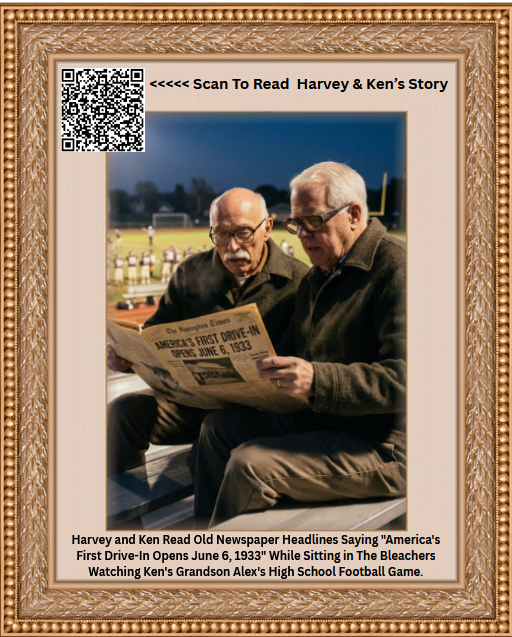
Harvey and Ken weren’t in a library or a museum when that piece of history reached out and grabbed them—they were up on high school bleachers, where the night air usually belongs to marching bands, hot coffee, and the little rituals of football season. But there they were, shoulder-to-shoulder, reading old newspaper headlines like they were passing notes, letting a single line of print pull them somewhere else entirely.
This memory is brought to you by Oh Sherri Irish Pub — Testing the partner system

This story is brought to you by
Oh Sherri Irish Pub
Testing the partner system
Visit Oh Sherri Irish Pub →Harvey and Ken Read Old Newspaper Headlines Saying "America's First Drive-In Opens June 6, 1933" While Sitting In The Bleachers Watching High School Football Game.
It’s such a Harvey and Ken kind of moment—choosing a headline over small talk, choosing curiosity over noise. The game kept moving in front of them, but the words in their hands stayed still and powerful, like a door that only needed opening. And once they read the date—June 6, 1933—it didn’t feel like trivia. It felt like a pin stuck into a map of American life.
Because that headline is true: on June 6, 1933, the first drive-in theater opened on Crescent Boulevard in Pennsauken Township, right on the edge of Camden, New Jersey. Even the name has that early-idea awkwardness that makes it lovable—Park-In-Theater—like the country was still deciding what to call this brand-new kind of night out.
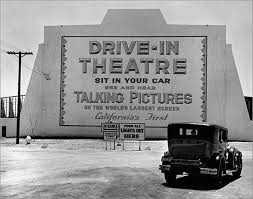
What gets under the skin, though, is the reason it happened at all. Richard Hollingshead Jr., an auto parts sales manager, wanted a movie experience where his mother could sit comfortably. Harvey and Ken reading that detail from the bleachers is the kind of quiet poetry you don’t plan for: two men in a hard, narrow seat learning about a son trying to make sitting easier for someone he loved.
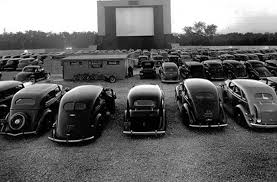
In the middle of a football game—helmets clacking, a referee’s whistle cutting through—it’s easy to picture Harvey and Ken holding that headline and imagining the original setup: terraced rows built to fit 400 cars, a huge 40-by-50-foot screen standing there like a billboard for dreams. The admission was simple, almost sweet in its fairness—25 cents per car and 25 cents per person, with a promise it wouldn’t go over a dollar for the whole vehicle. Not a bad way to invite a family into a new tradition.
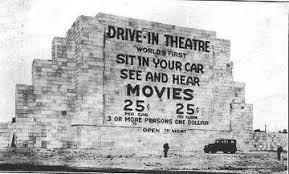
And you can almost hear Harvey and Ken reacting to the line that sold the whole idea to the public—Hollingshead’s slogan welcoming families “regardless of how noisy the children are.” Sitting in the bleachers, surrounded by shouts and stomping feet, that kind of welcome probably landed with a grin. It’s the same spirit, just a different venue: people being loud because they’re together.
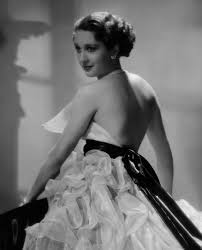
Then there’s the first film—Wives Beware, a British comedy starring Adolphe Menjou. It’s not the title most people would guess, which is part of the charm. Harvey and Ken weren’t reading about some grand premiere with spotlights. They were reading about a real first night: slightly odd, perfectly ordinary, and brave enough to try anyway.
The technology, too, had that first-draft feeling to it. The sound came from three big speakers mounted on the screen tower, meaning the front cars got blasted and the back cars barely heard a thing. It’s the kind of detail that makes history feel tactile—like you can actually picture the complaints, the laughter, the shrug of people deciding that even imperfect sound was worth staying for.
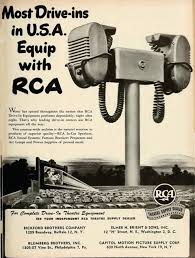
Years later, RCA Victor’s in-car window speakers would solve that problem, and drive-ins would become their own kind of American skyline—by the 1950s, more than 4,000 screens glowing across the country. But on those bleachers, with that headline between them, Harvey and Ken weren’t chasing the whole boom. They were holding the seed—the small, specific beginning.
And maybe that’s why this memory sticks: because the original Park-In-Theater only lasted three years, closing in 1936. It’s a reminder that not everything legendary looks successful in its own time. Some things are just ideas that catch, passed hand to hand—like a newspaper clipping on a Friday night, shared between Harvey and Ken while the scoreboard lights hum in the background.
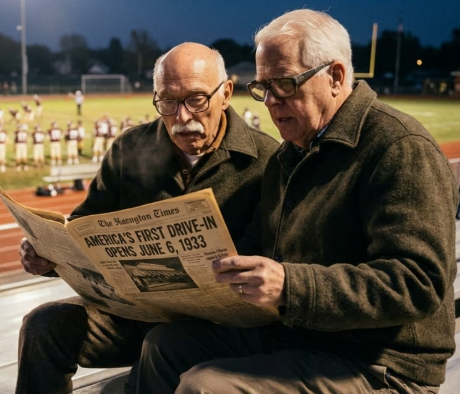
There’s something quietly intimate about two people choosing to read history together while the rest of the crowd watches the present. Harvey and Ken didn’t need to announce what the headline meant. They just sat with it—letting it add another layer to an already-American scene: bleachers, football, night air, and the feeling that the past is never as far away as we pretend.
Photos from the Memory


About the Storyteller
Harvey and Ken
Memory from 1933
Connect with Harvey using the info below:
https://www.facebook.com/silver.fox.9862/