
Susan Blake and the Dim-Lamp Quiet of a 1982 Living Room
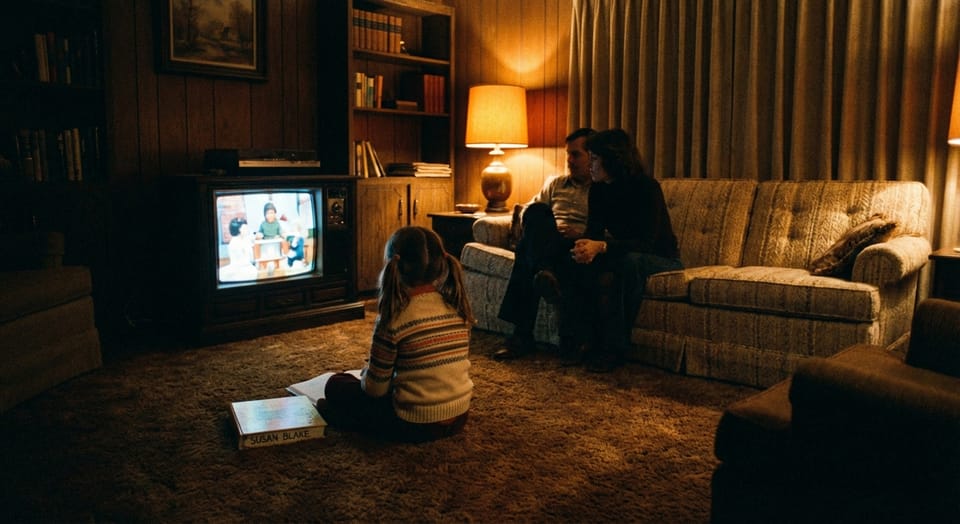
Some memories don’t announce themselves as important. They just sit there—soft-edged, almost forgettable—until years later when you realize they were stitching your life together the whole time. For Susan Blake, one of those memories lives in 1982, in the dim lamp light of a living room where nothing special was happening, and that was exactly the point.
This memory is brought to you by Oh Sherri Irish Pub — Testing the partner system

This story is brought to you by
Oh Sherri Irish Pub
Testing the partner system
Visit Oh Sherri Irish Pub →Nothing special was happening—just a quiet night at home. My parents watched TV while I sat on the floor, half paying attention, half lost in my own thoughts. Looking back, those ordinary nights feel just as important as the big moments.
It’s easy to picture how Susan Blake’s attention moved in that room—how it didn’t settle on one thing for long. The TV kept talking in that low, constant way televisions did then, more like background weather than entertainment. The couch held her parents in place, their bodies angled toward the screen, comfortable enough to be still. And down on the floor, Susan Blake had her own little orbit: close enough to be part of the family scene, far enough to disappear into herself.
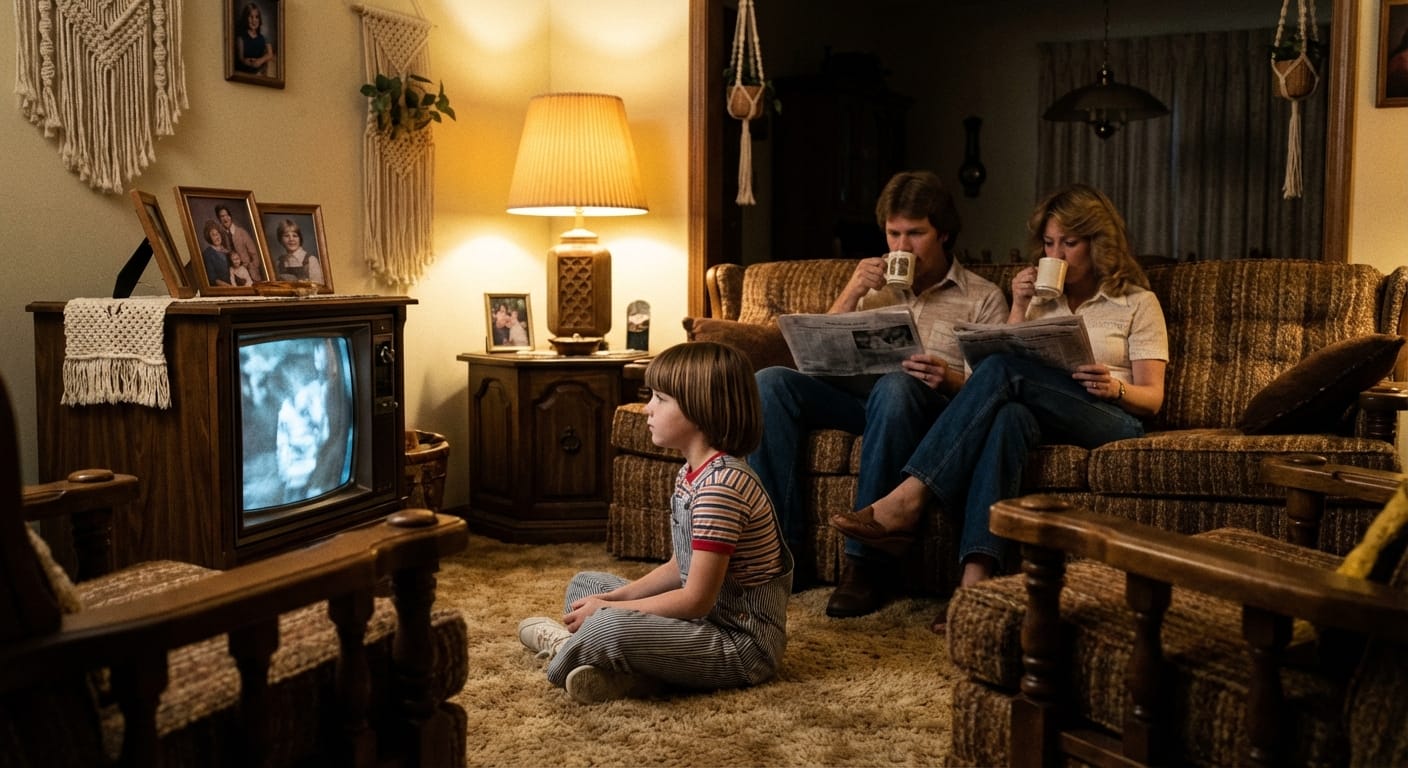
The lamp light matters in the way only certain lights do in memory. Not bright. Not dramatic. Just that warm pool that makes a living room feel like a contained world. In 1982, before everything glowed from handheld screens, the room would have had pockets of shadow—corners that softened and blurred—so that the couch, the carpet, and the TV’s flicker could feel like the whole universe for an evening.
What Susan Blake remembers isn’t a plot, but a posture: that particular way a child can be “with” adults without being pulled into their conversation. Half paying attention is its own kind of closeness. It means you’re listening for laughter, for a shift in tone, for the moment someone might say your name—while also letting your mind slip into daydreams that don’t need words yet.
Years later, Susan Blake would write about analog film—how its textures and imperfections seem “intrinsically linked to nostalgia, yearning and deepest memory.” That makes sense here, because this living-room moment feels like something you’d find in an old photograph even if no camera was raised: the soft grain of dim light, the gentle blur of motion on the TV, the way the most ordinary domestic scenes become precious precisely because they were never meant to perform.
There’s a quiet courage in admitting that the “big moments” don’t have a monopoly on meaning. Susan Blake’s memory doesn’t demand applause. It doesn’t even demand a retelling. It simply says: I was there. They were there. The house was doing what a house is supposed to do—hold everyone for a while. And somehow, that counts.
If you linger in this scene long enough, you can almost feel what Susan Blake is pointing to: the comfort of not having to be interesting. The safety of being a kid on the floor, allowed to drift. The small certainty that the couch will be occupied, the lamp will be on, the TV will murmur, and the night will pass without asking you to prove anything.
Looking back from adulthood, it’s not surprising that this is what stays. Not because it was dramatic, but because it was repeated—because ordinary nights accumulate. They don’t sparkle in the moment, but they build the emotional architecture of a childhood. And in Susan Blake’s case, 1982 still glows in that lamp-lit hush, reminding her that the life that shaped her wasn’t only made in milestones, but in evenings that asked for nothing at all.
Your Memory on Merch
Love this memory? We can put it on a mug, t-shirt, tote bag, poster, and more! Click below to request your custom merchandise.


About the Storyteller
Susan Blake
Memory from 1982