Harvey and Marty’s Virtual Route 66 Ride in the Red 1955 Chevrolet Bel Air Convertible IV
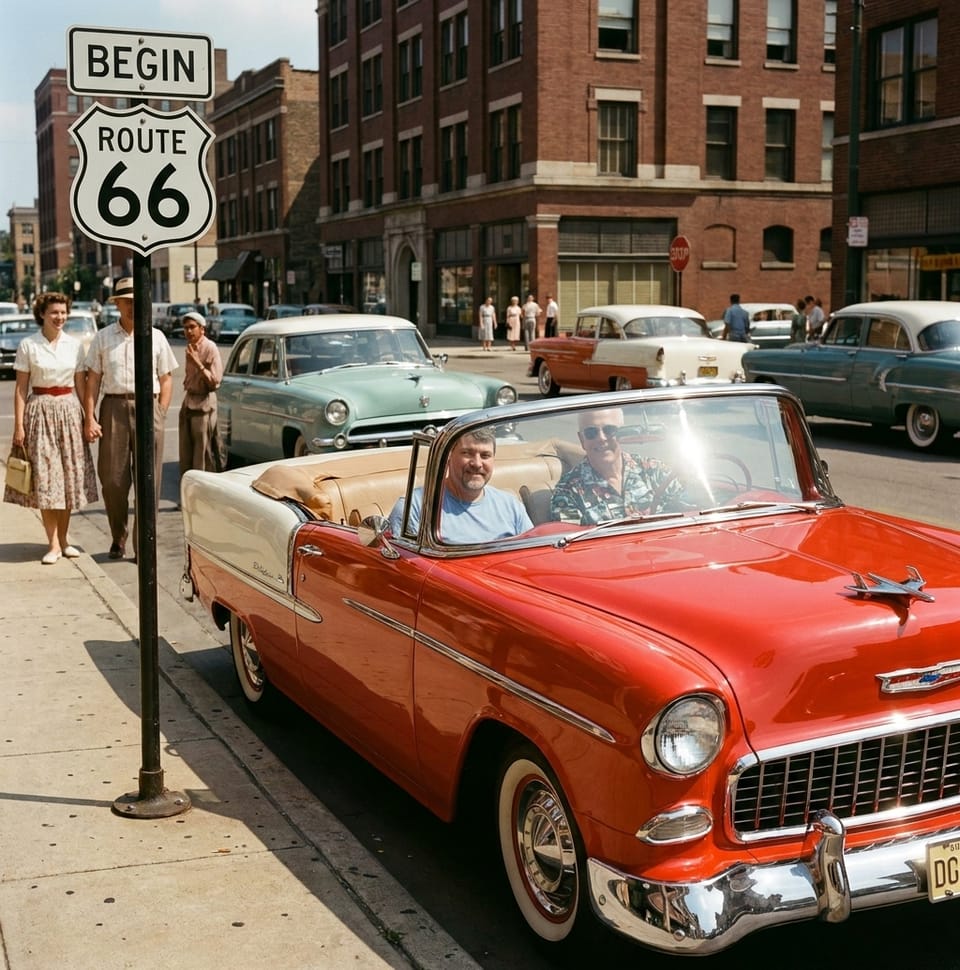
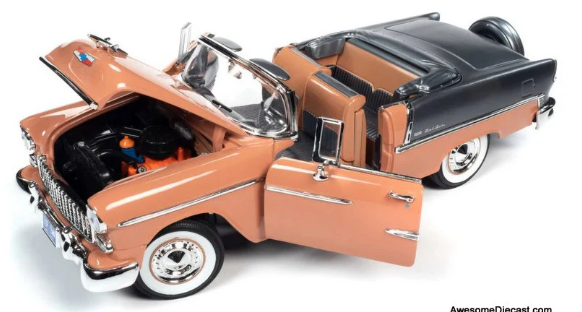
Harvey and Marty still know exactly what it feels like to set out together—two men with a map in their heads and a promise in their hands—sliding into Harvey and Marty’s classic dream car, a red 1955 Chevrolet Bel Air Convertible IV, and pointing the nose toward a road that has always sounded like freedom.
This memory is brought to you by Red Bike Coffee Company — Second test partner
This story is brought to you by Red Bike Coffee Company
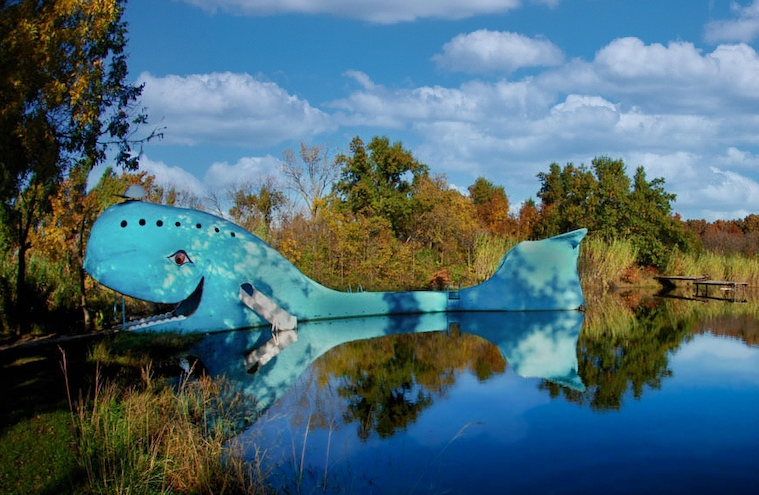
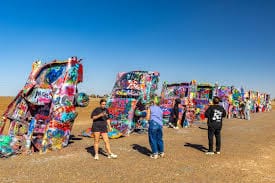
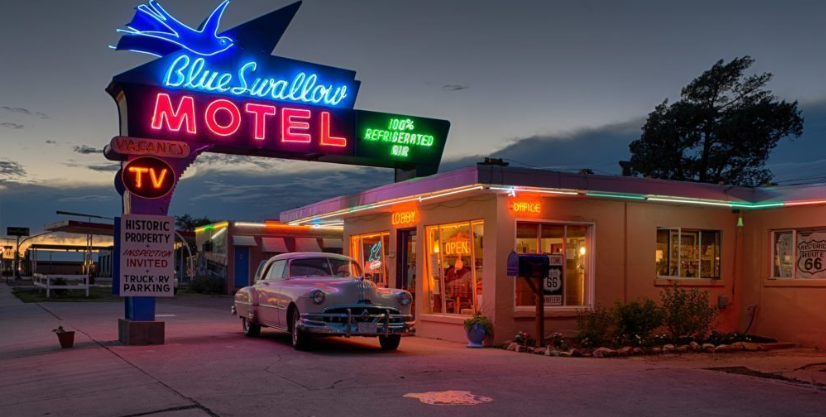
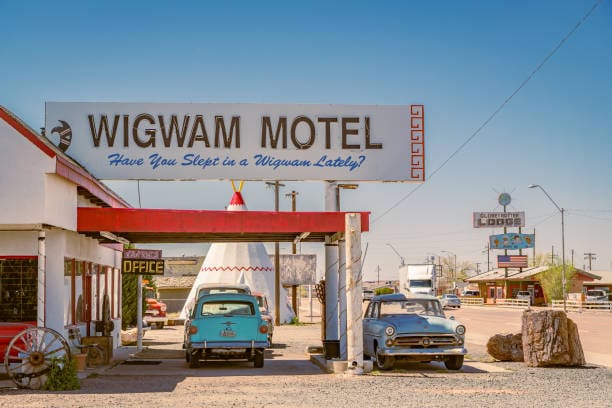
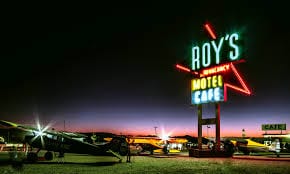
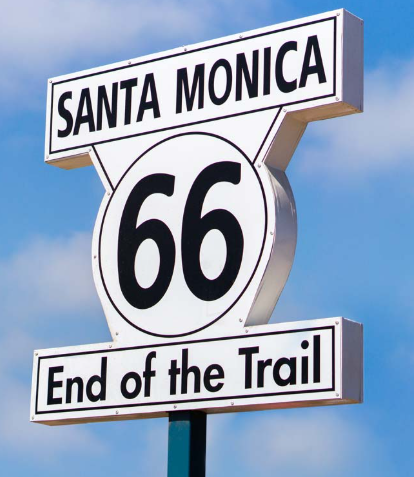
"Harvey and Marty Take A Virtual Road Trip On Route 66, in Harvey’s Classic Dream Car a Red 1955 Chevrolet Bel Air Convertible IV, known as The Mother Road, spans roughly 2,448 miles (3,940 km) through eight states, beginning in Chicago, Illinois, and ending at the Santa Monica Pier, California. While the road was officially decommissioned in 1985, about 85% of it remains drivable today via historic alignments and state highways. Essential Planning Tips**** Duration: A minimum of 14 days is recommended to see the major highlights without rushing. A leisurely pace can take up to 3 weeks. Timing: Spring (May) and Fall (September to October) offer the best weather and fewer crowds. Summers are extremely hot in desert stretches, and winters can bring road closures in the north. Navigation: Traditional GPS often defaults to interstates. Use specialized resources like the Route 66 Navigation App or the EZ66 Guide for Travelers to stay on the historic path. Centennial Celebration: The year 2026 marks the Route 66 Centennial, featuring special events and tours across all eight states. Top Must-See Stops by State**** Illinois: The "Begin Route 66" sign in Chicago and the Cozy Dog Drive In (birthplace of the corn dog) in Springfield. Missouri: The Gateway Arch in St. Louis and the Meramec Caverns, which feature vintage barn advertisements. Kansas: ***The shortest stretch (13 miles), featuring Cars on the Route in Galena. Oklahoma: The Blue Whale of Catoosa and the futuristic Pops 66 soda ranch in Arcadia. Texas: The Cadillac Ranch in Amarillo and the Midpoint Café in Adrian, the mathematical center of the route. New Mexico: The historic Blue Swallow Motel in Tucumcari and the Spanish-influenced plaza in Santa Fe. Arizona: The Wigwam Motel in Holbrook, Standin' on the Corner Park in Winslow, and the gateway to the Grand Canyon in Williams. California: The desolate Roy's Motel & Café in Amboy and the iconic End of the Trail sign at the Santa Monica Pier. ========================================== 1955 Chevrolet Bel Air Convertible IV The 1955 Chevrolet Bel Air Convertible IV refers to a popular vintage automotive art print series by American Cars 1920 - 2020. The artwork celebrates the debut year of the iconic "Tri-Five" generation, capturing the legendary convertible that came to symbolize 1950s open-road freedom. Poster Lounge The Real-World Legend Behind the Art The artwork depicts a vehicle that completely revolutionized Chevrolet's design and engineering direction: Facebook Amazing Classic Cars The "Hot One" Design: Styled under GM legend Harley Earl, the '55 Bel Air introduced crisp, modern lines, a sleek wrap-around windshield, and a bold, Ferrari-inspired egg-crate front grille. Heacock Classic The Legendary Small-Block V8: 1955 marked the introduction of the revolutionary 265 cubic-inch "Turbo-Fire" V8 engine, establishing a power framework that GM used for decades. Wikipedia Top-Tier Luxury: As the absolute premium option in the Chevrolet lineup, the convertible model came standard with a power-operated top and offered high-end two-tone paint configurations that matched the interior upholstery. Heacock Classic Production Rarity: Chevrolet manufactured 41,292 Bel Air convertibles for the 1955 model year, making pristine, surviving copies highly sought-after collector pieces today. MotorCities National Heritage Area Collector Market Value If you are looking beyond the art print and tracking the actual physical vehicle, the market for a 1955 Bel Air Convertible varies by its condition and build style: eBay Restored Factory Originals: Fully restored models keeping their original 265 V8 equipment frequently sell for $100,000 to $150,000 at classic car venues like Hemmings. High-End Restomods: Custom builds modified with modern performance parts—like Art Morrison chassis, modern LS3 or 502 crate engines, and upgraded digital interiors—can easily fetch between $150,000 and well over $200,000 ========================================== #1955chevroletbelairconvertibleiv #chevroletbelairconvertible #OfficialPaceCar #BodyByFisher #Chevrolet #CarGurus #CLASSIC #Route66 #WinslowArizona #ChicagoIllinoi #SantaMonicaPierCalifornia #Route66Centennial #CozyDogDriveIn #MeramecCaverns #CarsontheRoute #WhaleofCatoosa #Pops66 #StandinontheCorner #MidpointCafé #WinslowVisitorsCenter #BlueSwallowMotel #MinnetonkaTradingPost #WigwamMotel #GrandCanyon #EndoftheTrail"
The Mother Road, the way Harvey and Marty hold it
What makes this Route 66 trip land so hard in Harvey and Marty’s chest isn’t just the miles or the famous stops—it’s that they chose to do it the way they’ve always imagined: together, in that specific red Bel Air, the kind of car that doesn’t merely “take you” somewhere. It announces you. It turns the drive itself into the destination.
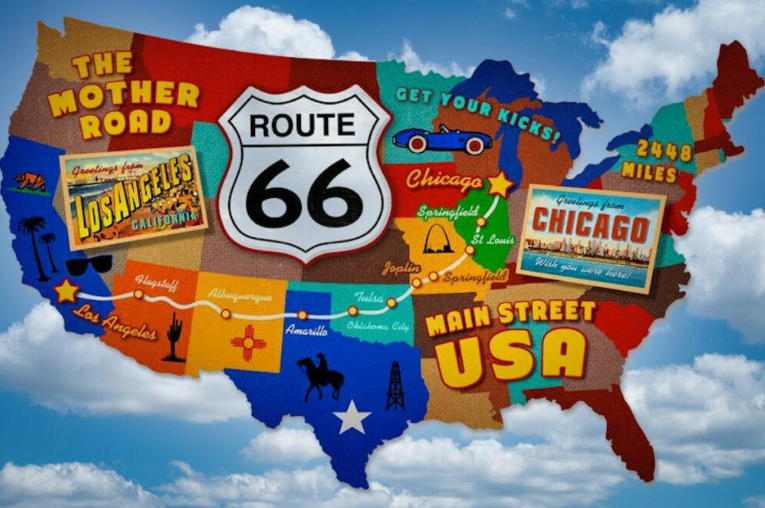
In Harvey and Marty’s mind, the Route begins the moment Chicago comes into view, where that “Begin Route 66” sign doesn’t feel like a marker so much as a permission slip. The virtual part doesn’t dilute it; it sharpens it. They can linger where they want, replay the turn, hear the engine note again—no hotel checkout time, no weather report pushing them forward.
The car: not a prop, but the promise
A 1955 Chevrolet Bel Air convertible has a way of carrying its era with it, and Harvey and Marty’s dream car—red, top down in their imagination—brings the whole mid-century idea of “going” back into focus. They know the details that matter: the wrap-around windshield, the confident lines, the feeling that Chevrolet was building something for people who believed tomorrow would be bigger than today.
And because Harvey and Marty name it so precisely—1955 Chevrolet Bel Air Convertible IV—there’s a tenderness in that specificity. It reads like a cherished label on a photo envelope: not just “the Chevy,” but this Chevy, the one that holds their version of the world inside it.
Eight states, one shared rhythm
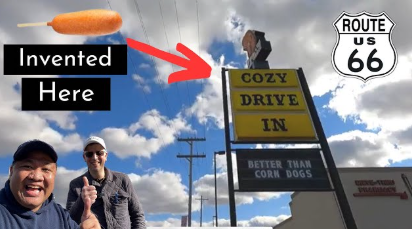
Harvey and Marty’s Route 66 is stitched together by places that feel like postcards brought to life. Springfield’s Cozy Dog Drive In—corn dog birthplace and all—slots into their story like a small joke you share with somebody you’ve known a long time: of course you stop, of course you try it, of course you remember the taste later.
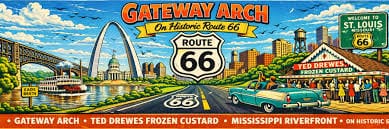
Then Missouri—St. Louis rising up with the Gateway Arch, and the Meramec Caverns with those old barn-advertisement echoes, the kind that make Harvey and Marty feel like they’re not just traveling across land, but across memory itself. It’s a route that keeps offering proof that the past is still standing, if you’re willing to look for it.
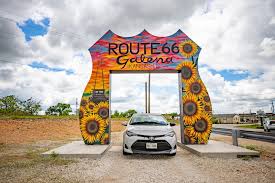
Kansas flashes by in a heartbeat—thirteen miles that still count, because Harvey and Marty are the kind of travelers who understand that “short” doesn’t mean “small.” In Galena, “Cars on the Route” becomes one more reason to grin: the road knows how to wink back at you.
Oklahoma gives them the Blue Whale of Catoosa—joyful, strange Americana—and Pops 66 in Arcadia, all glass and soda-bottle shine. Harvey and Marty can almost feel the cold fizz on their tongue as they pull back onto the road, refreshed in that way that only a perfectly timed stop can manage.
Texas shifts the mood: Cadillac Ranch in Amarillo, half-buried and bold; Midpoint Café in Adrian, where the “mathematical center” of the route turns into something emotional. Halfway doesn’t just mean distance—it means realizing you’ve come far, and still get to keep going.
New Mexico is where Harvey and Marty’s trip starts to glow a different color—Tucumcari’s Blue Swallow Motel with its neon promise, Santa Fe’s plaza with its Spanish-influenced calm. If the earlier miles feel like a jukebox, these miles feel like a hand on your shoulder: slower, warmer, more human.
Arizona gives them the Wigwam Motel in Holbrook—sleeping inside a shape you used to draw as a kid without knowing it was real—then Winslow’s “Standin’ on the Corner Park,” a spot that makes Harvey and Marty smile at the way songs can pin a place to the map. Williams waits like a gateway, too, holding the Grand Canyon nearby like a held breath.
And California is the closing scene Harvey and Marty can’t rush, even virtually: Roy’s Motel & Café in Amboy, so desolate it almost feels staged for an old movie, and then Santa Monica Pier—End of the Trail—where the Pacific makes a soft finality. Not a stopping as much as an exhale.
Why this memory carries 1955 inside it
Harvey and Marty place the year 1955 next to this story, and it changes how everything reads. It frames their Route 66 dream in the glow of a time when chrome and possibility felt inseparable—when a convertible wasn’t just a car, it was a statement that life could be lived out loud.
Even now, Harvey and Marty’s virtual road trip preserves what mattered most: the feeling of being side by side in something beautiful, moving west with the top down in their imagination, letting America unfold the way it used to in photographs—one long, hopeful line.
Photos from the Memory


About the Storyteller
Harvey and Marty
Memory from 1959
Connect with Harvey using the info below:
https://www.facebook.com/silver.fox.9862/