
Harvey & Carol Hoover and Brier: Loving Our Sheltie Back in 1988
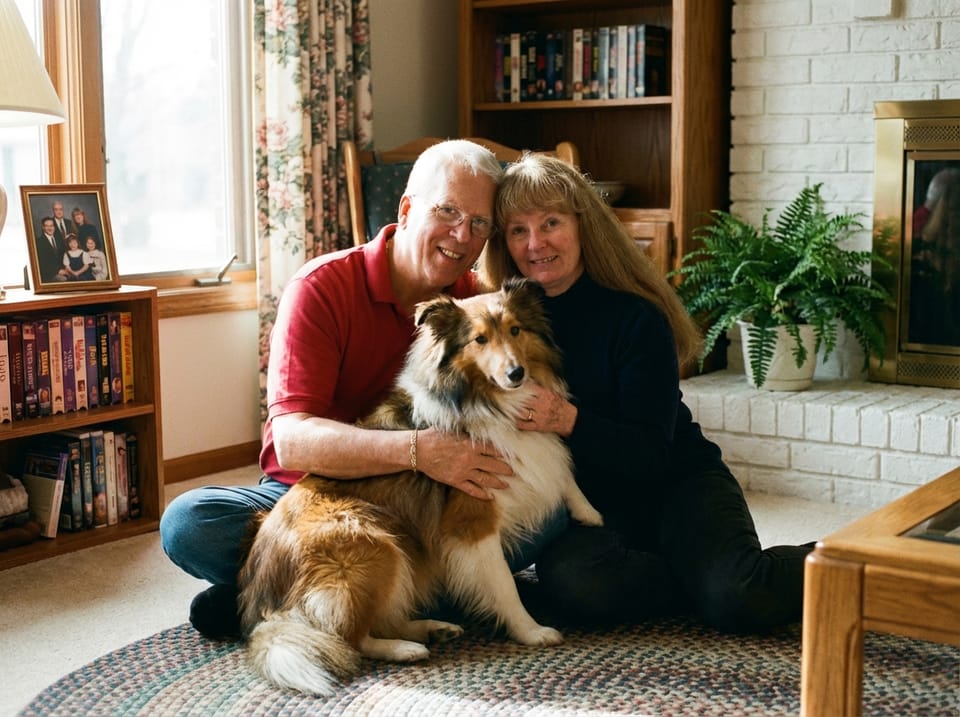
In 1988, Harvey & Carol Hoover loved a Sheltie named Brier—and even now, that name still lands with a certain softness, like something you say quietly because it deserves care. Some dogs pass through a home; others stitch themselves into the everyday rhythm so completely that the years can’t unthread them.
This memory is brought to you by TEST PARTNER - DO NOT PUBLISH — Testing the partner system

This story is brought to you by
TEST PARTNER - DO NOT PUBLISH
Testing the partner system
Visit TEST PARTNER - DO NOT PUBLISH →The Shetland Sheepdog, commonly known as the Sheltie, is a highly intelligent, agile, and loyal herding breed from Scotland's Shetland Islands. Often described as a "Collie in miniature," they are a distinct breed known for their striking double coat and intense devotion to their families. American Kennel Club Key Characteristics Intelligence: Ranked 6th most intelligent dog breed; they can often learn new commands in fewer than five repetitions. Temperament: Affectionate, responsive, and gentle, though they can be reserved or suspicious of strangers. Vocal Nature: Very vocal dogs that bark to alert their owners of anything unusual, making them excellent watchdogs. Energy Level: High-energy and athletic; they excel in dog sports like agility, obedience, and herding trials. American Kennel Club
What 1988 Still Holds
When Harvey & Carol Hoover say “our Sheltie named Brier,” it doesn’t read like a breed label—it reads like a chapter title. A Sheltie is the kind of dog who doesn’t just live beside you; they watch you, study you, learn you. That’s the part that makes remembrance so sharp: Brier wouldn’t have been guessing what you wanted. Brier would have known.
That intelligence—the kind that learns fast and anticipates faster—has a way of turning ordinary household moments into a private language. A glance toward the door. The slight lift of a hand. The subtle shift in tone when one of you spoke the other’s name from the next room. With a dog like Brier, those tiny signals become a shared shorthand, and years later it’s not the tricks you miss—it’s being so thoroughly understood without needing to explain a thing.

The Watchdog Heart Behind the Bark
Shelties have a reputation for being vocal, but in a home like yours, that sound would have meant something specific: Brier’s way of standing between “outside” and “ours.” The bark isn’t just noise; it’s a bulletin. It’s the announcement that something changed, that a car slowed, that a stranger’s footsteps didn’t match the familiar ones. Even if you rolled your eyes sometimes—because of course Brier noticed—there’s a tenderness in remembering how seriously your dog took the job of keeping your life safe.
And then there’s the other side of that temperament: affectionate, gentle, a little reserved with new faces. It’s easy to picture Brier choosing closeness carefully, trusting deeply once earned. That kind of devotion doesn’t feel performative; it feels settled. Like a dog who knows exactly who their people are—and makes it their business to stay near them.

Energy That Filled the House
A high-energy herding breed brings motion into a home, the sense that there is always something to do, some invisible “work” to be done. Even if you never stepped into an agility ring, there’s an athletic brightness to a Sheltie that shows up anyway—in the way they turn corners, in the quickness of their attention, in that ready posture that says, “What’s next?” In 1991, Brier’s energy would have been its own kind of soundtrack, a lively counterpoint to whatever your days held.
And under that beautiful double coat—striking in the way only a Sheltie can be—there’s a sturdy, working-dog legacy from Scotland’s Shetland Islands: a dog made to notice, to move, to respond. When you remember Brier, you’re not just remembering a pet; you’re remembering a presence built for partnership.
Why Brier Still Feels Close
There’s a particular ache to loving a dog who is intensely devoted, because the bond is so complete it becomes ordinary while you’re living it. You don’t always realize, in the moment, that you’re being followed from room to room as a form of love. That someone is listening for you to wake up, or for the sound of your keys, or for the smallest hint that you might need comfort.
But time has a way of making that devotion gleam. “In Loving Memory” isn’t just a phrase for Harvey & Carol Hoover—it’s the honest measurement of what Brier gave you: loyalty that didn’t negotiate, attentiveness that didn’t tire, and a feeling—rare in any year—that you were never facing the day alone.
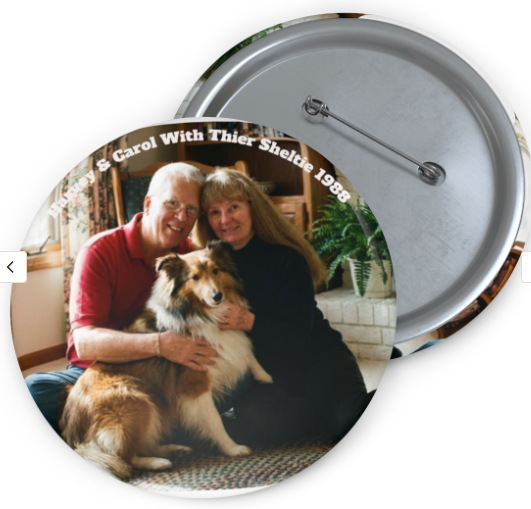
Photos from the Memory

About the Storyteller
Harvey & Carol Hoover
Memory from 1991
harveysilverfox.com