
Daniel Harper and the Streetlights That Ended Summer Nights (1989)
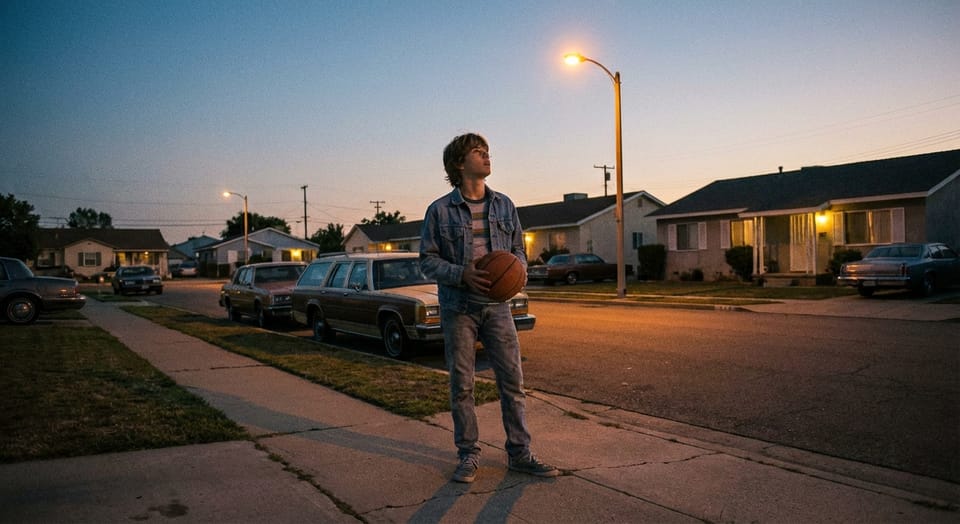
In 1989, Daniel Harper learned how a neighborhood could feel like its own small, complete universe—one quiet street, warm summer air, and a row of streetlights that acted like the only clock that mattered. Time didn’t announce itself with alarms or schedules. It arrived softly, in the slow dimming of daylight and the unspoken understanding that the night was starting to win.
This memory is brought to you by Oh Sherri Irish Pub — Testing the partner system

This story is brought to you by
Oh Sherri Irish Pub
Testing the partner system
Visit Oh Sherri Irish Pub →We played outside until the streetlights came on, stretching every last minute of daylight. The air cooled just enough to make everything feel calm. Someone always said, “One more game,” and somehow we stayed out longer than we were supposed to. Those nights felt simple in a way that’s hard to explain now.
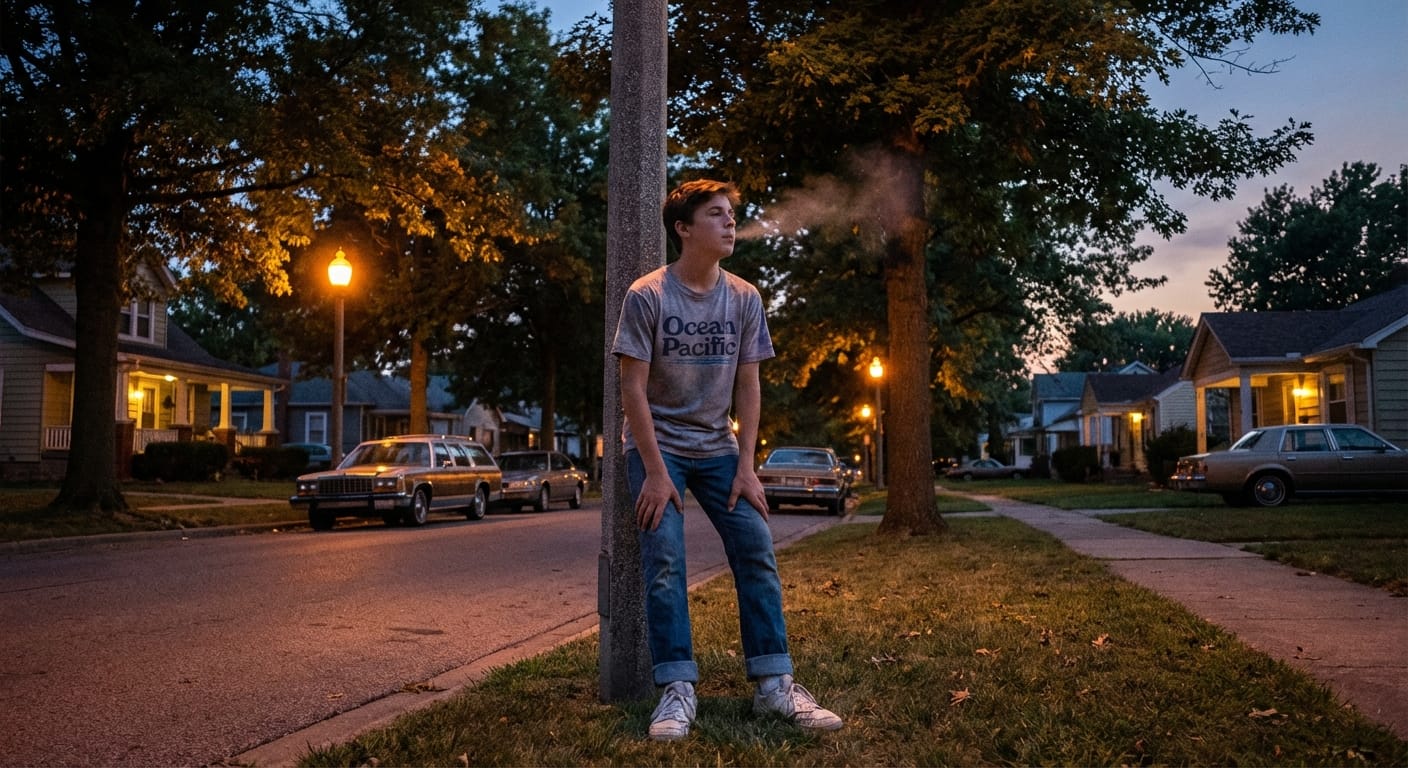
What stands out in Daniel Harper’s memory isn’t a single dramatic moment—it’s the way the evening changed temperature by just a few degrees and made the whole block feel gentler. That slight coolness didn’t just touch skin; it quieted everything. It smoothed out the sharp edges of the day, like the neighborhood itself was exhaling, settling into a calmer version of itself as the sun dropped.
On a quiet street, streetlights don’t just light the road. For Daniel Harper, they were a boundary you could see coming. Not a parent calling from the porch, not a watch beeping on a wrist—just that gradual shift from “still ours” to “time to go.” And the strange thing about a streetlight is how it gives you a warning and a temptation at the same time: it says the day is ending, and it also makes you think you can keep going anyway.
Because that’s the magic tucked into the phrase Daniel Harper remembers so clearly—“One more game.” It’s such a small sentence, so ordinary, and yet it carried an entire strategy: a gentle negotiation with the rules, a quick vote taken in the open air. “One more game” wasn’t about the game. It was about keeping the feeling going—about refusing, just for a little longer, to let the night turn into responsibility.
1989 sits in Daniel Harper’s story like a bookmark in a simpler chapter. A neighborhood street could still be a kind of second home—wide enough for running, familiar enough to feel safe, alive with the sounds that meant you belonged there. The streetlights were dependable in a way almost nothing else is: they came on when they came on, and they didn’t care how much you wanted more daylight. They were impartial, steady, impossible to argue with.
And maybe that’s why this memory has weight now. Daniel Harper isn’t reaching for a perfect summer or a flawless childhood—he’s reaching for that particular calm that only arrived at day’s edge. That moment when you knew you were staying out later than you were supposed to, but it didn’t feel reckless. It felt shared. It felt like everyone—kids, sidewalks, lawns, the quiet street itself—was in on the same secret: if you could stretch the light, you could stretch the season.
There’s a tenderness in the way Daniel Harper describes it: not loud happiness, not a highlight reel, but a simple kind of peace that’s hard to translate into adult language. Because “simple” isn’t the same as “small.” Those nights were full—full of motion, full of warm air turning cool, full of the soft authority of streetlights switching on, one by one, as if the neighborhood was closing its eyes.
Your Memory on Merch
Love this memory? We can put it on a mug, t-shirt, tote bag, poster, and more! Click below to request your custom merchandise.


About the Storyteller
Daniel Harper
Memory from 1989